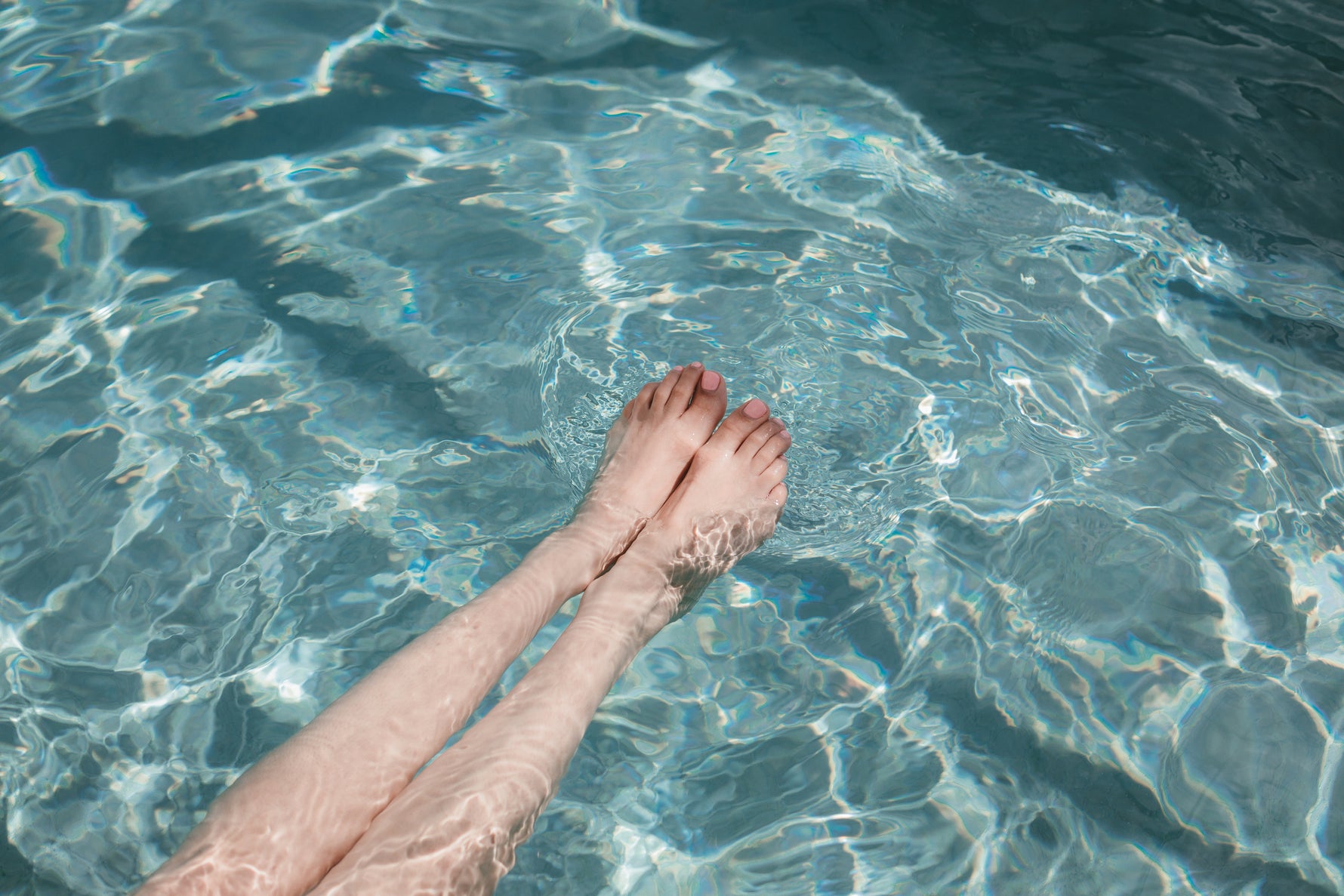

Hot Tub Benefits for Athletes: Boost Recovery & Performance
Hot tubs can help athletes recover faster, reduce muscle soreness, improve sleep quality, and even support strength gains when they're used with the right timing and duration. In elite short-track athletes, post-exercise hot-water therapy increased maximal isometric strength of the knee extensors with p < 0.0001 and an effect size of d = 0.41 over a four-week protocol.
Most athletes think of a hot tub as a comfort tool. That undersells it. Used properly, hydrotherapy is a training support tool that can influence tissue recovery, readiness, sleep, and how well an athlete tolerates repeated hard sessions.
The important question isn't whether hot tubs help. It's how to use them without dulling performance, overheating before training, or turning a useful recovery method into a random habit. The biggest benefits come from matching the soak to the moment: pre-workout, post-workout, or a rest day. That's where most advice stays vague, and that's where athletes lose results.
The Athlete's Edge in a Hot Tub
Athletes often lose more performance to poor recovery than to poor training. A hot tub can help close that gap, but only if the soak matches the session.
Used well, hydrotherapy supports three things athletes care about right away: lower pain, better tissue mobility, and better readiness for the next bout of work. Heat exposure increases peripheral blood flow, reduces muscle guarding, and shifts the nervous system toward a more relaxed state. Those effects can be useful before training, after training, or on a rest day, but the dose changes with the goal.
Daily hot tub use also has value outside elite settings. Athletes who use hydrotherapy consistently often report less pain and less stiffness, and people with chronic low back pain have improved after short runs of daily soaking, as summarized in this overview of hot tub benefits for athletes and pain relief. For an athlete managing accumulated tightness through a season, less stiffness can mean cleaner mechanics and fewer compromised training days.
The key is specificity.
A pre-workout soak should be brief. About 5 to 10 minutes in warm water is usually enough to loosen tissue and improve joint comfort without leaving the athlete sluggish. This works best before mobility work, technical sessions, or lower-intensity training. It is a poor choice right before sprinting, max lifting, or any session that depends on peak rate of force development.
Post-workout soaking works differently. After long conditioning sessions, repeated-contact sport practice, or heavy training blocks, 10 to 15 minutes of warm water can help calm muscle tone and improve comfort later in the day. It can also help an athlete transition out of a high-alert state, which matters if recovery, appetite, and sleep have been slipping.
Rest-day use is where many athletes underperform their recovery plan. A 15 to 20 minute soak on a true recovery day can reduce residual stiffness, improve range of motion work, and help the body stay ready for the next hard session without adding more training stress. That is also the best window for athletes who want the general cardiovascular and wellness effects discussed in this article on how a hot tub can rival jogging in key health benefits.
What separates useful soaking from wasted soaking
Intent, timing, and temperature decide whether a soak helps or hurts.
A long late-night soak after a hard session can feel good and still backfire if it pushes core temperature too high, delays cooling before bed, or leaves the athlete behind on fluids. A short, controlled soak is usually the better call. In practice, athletes do well with water that feels clearly warm, not punishingly hot, and with a glass of water before and after the session.
Practical rule: Use the hot tub the same way you use a warm-up or cooldown. Pick the soak length and timing based on the job you need it to do.
How Hydrotherapy Accelerates Muscle Recovery
Athletes who recover well do not just feel less sore. They restore tissue quality faster, return to usable range of motion sooner, and arrive at the next session with less residual fatigue.
Warm water immersion helps because it changes the recovery environment in several ways at once. Heat increases peripheral blood flow through vasodilation, which improves delivery of oxygen and nutrients to loaded tissue. The water also reduces joint compression and can lower muscle guarding, so tight areas relax without adding more mechanical stress. On top of that, the parasympathetic shift that follows a controlled soak helps bring the body out of the post-training high-alert state.

Why warm water works after training
Post-workout blood flow supports both repair and cleanup.
After hard lifting, repeated sprint work, long endurance sessions, or contact-heavy practice, muscle tissue is dealing with microtrauma, fluid shifts, and metabolic accumulation. Increased circulation helps move amino acids, glucose, and oxygen into that environment while carrying byproducts away. Athletes often describe this as feeling looser or less heavy a few hours later. Physiologically, that response lines up with better perfusion and reduced muscle tone.
Heat can also help with perceived soreness, even when it does not erase it. That distinction matters. A hot tub is not repairing muscle on its own. It supports the conditions that recovery depends on, which is why the best results come when soaking is paired with rehydration, protein and carbohydrate intake, and adequate sleep.
Three mechanisms matter most:
- Higher blood flow: Warm water widens blood vessels and improves circulation to worked muscles.
- Better metabolite clearance: Recovery circulation helps clear lactate and other exercise byproducts more efficiently after training.
- Lower muscle tone: Heat reduces stiffness and protective tightening that often follow heavy eccentric loading or repeated impact.
Timing changes the effect. For post-workout recovery, the useful window is usually within two hours of training, once heart rate has settled and initial rehydration has started. In practice, a 10 to 20 minute soak in warm, not extreme, water works better than staying in until fatigue replaces relief.
What athletes usually get wrong
The first mistake is using too much heat after a session that already produced major fluid loss. If an athlete finishes dehydrated and then sits in very hot water for too long, the soak adds stress instead of reducing it. Headache, lightheadedness, and heavy legs later that evening are common signs the dose was wrong.
The second mistake is poor timing. A recovery soak works best after cooldown, fluids, and a few minutes out of the training environment. Jumping straight from an all-out session into high heat can leave some athletes feeling more drained, especially after conditioning work or two-a-days.
The third mistake is using heat for the wrong job. Warm water helps stiffness, tone, and comfort. It is less useful for an acutely inflamed joint that is hot, swollen, and irritated right after injury. Athletes dealing with strains, overuse pain, or ongoing tissue irritation usually do better when heat is part of a broader plan. This guide on using hot tubs for injury recovery covers that overlap in more detail.
A simple rule helps here. Use hydrotherapy to support recovery, not to chase exhaustion.
Best post-workout use in practice
A practical recovery protocol looks like this:
- Finish training and complete a normal cooldown until breathing and heart rate come down.
- Drink fluids before the soak, especially after heavy sweat loss.
- Start the soak within two hours of the session if recovery is the goal.
- Keep water temperature moderate, generally in the warm range rather than as hot as you can tolerate.
- Limit the session to 10 to 20 minutes. Longer is not better for athletes who are already fatigued.
- Get out while you still feel refreshed, then eat and continue normal recovery habits.
That is the trade-off athletes need to respect. The right amount of heat can improve comfort, circulation, and readiness for the next session. Too much heat, too late, or too dehydrated, and the same tool starts working against recovery.
Using Hot Tubs to Enhance Athletic Performance
Beyond recovery, hydrotherapy can improve training output when it is timed correctly.
One of the more useful findings in this area came from elite short-track athletes. As noted earlier, a four-week post-training hot-water protocol improved knee extensor isometric strength without reducing aerobic or anaerobic adaptation. For athletes and coaches, that is significant because recovery work often gets dropped when there is concern it might blunt the training effect.

Strength support without dulling conditioning
The practical value is not the soak itself. It is what the soak helps preserve across a hard training block.
After demanding sessions, warm-water immersion can maintain muscle temperature, encourage blood flow, and support parasympathetic downshifting once the main work is done. That combination can improve how the legs feel in the next session and may help athletes hold force output more consistently across the week. The likely mechanism is straightforward. Better circulation supports nutrient delivery and metabolite clearance, while reduced stiffness can improve movement quality when training frequency is high.
This does not replace lifting, sprint work, or conditioning. It helps athletes absorb those sessions with less carryover fatigue.
Heat adaptation and stamina
There is also a performance use that gets overlooked. Repeated post-exercise hot tub exposure can act as a mild heat-acclimation tool.
For endurance athletes, field sport players in preseason, and anyone training through summer, that matters. Regular heat exposure after training may expand plasma volume, improve sweating efficiency, and reduce the strain of later work in hot conditions. In practice, athletes often notice this as steadier pacing, less drift in heart rate, and better tolerance during repeated efforts.
Temperature control is the key variable. Water that is too hot turns a useful session into extra stress. Athletes who are still dialing this in should start with a hot tub temperature range that matches the goal of the session, then adjust based on fatigue, climate, and training load.
Where this fits best
Athletes get the best performance return when they match the soak to the demand of the sport.
- Endurance athletes: Use post-workout heat exposure during warm-weather build phases or before competitions in hot environments.
- Power athletes: Use short post-lift or post-sprint soaks to reduce residual stiffness between dense training days.
- Team sport athletes: Use hydrotherapy after high-minute practices or congested schedules to maintain movement quality and repeat-effort capacity.
- Masters athletes: Use moderate heat to improve tissue extensibility and reduce the stiffness that can limit force production.
The trade-off is real. A long soak before explosive training can leave an athlete flat, especially if hydration is poor or the session starts immediately after exiting the tub. For performance, heat usually works best after training or on lower-intensity days. The method is simple. Use enough heat to improve circulation and readiness for the next session, but not so much that recovery turns into another stressor.
Strategic Soaking Protocols for Maximum Benefit
Athletes who use heat well do not soak by habit. They match the soak to the job. A short pre-session exposure can improve tissue pliability and range of motion. A post-session soak is better for downshifting, easing stiffness, and supporting circulation after training. Rest-day use sits in between and works best as low-stress recovery.
The four variables are simple: timing, duration, temperature, and training goal. Change one, and the effect changes with it. The same soak that helps a stiff runner before an easy session can leave a sprinter flat if it runs too long or too hot.
Pre-workout hot tub protocol
Pre-exercise heat is a preparation tool, not a performance shortcut. The main benefit is a rise in muscle and connective tissue temperature, which can improve extensibility and make the warm-up feel more productive. Warm water immersion before exercise has also been linked with lower indirect markers of muscle stress, including reduced creatine kinase activity, lower plasma lactate, and smaller drops in force output and jump performance in some settings, according to this overview of warm water immersion before exercise.
For athletes, the practical takeaway is straightforward. Use the tub to get loose, then do a full dynamic warm-up before asking for speed, power, or heavy output.
Use it like this:
- Goal: Reduce stiffness and raise tissue temperature before movement.
- Duration: Keep it short.
- Best timing: Finish the soak before your normal movement prep, not after it.
- Best fit: Technique sessions, mobility work, easy aerobic sessions, or athletes who start cold and stiff.
- Caution: Before sprinting, jumping, or heavy lifting, allow time to cool slightly, rehydrate, and complete activation drills before the first hard effort.
If an athlete exits the tub flushed, lightheaded, or overly relaxed, the dose was too high for pre-workout use.
Post-workout hot tub protocol
Post-training heat usually gives athletes the clearest return because the target is recovery, not immediate output. Warm water promotes peripheral blood flow, which can help move metabolic byproducts out of worked tissue and bring oxygenated blood back in. It also lowers the sensation of tightness that often lingers after high-volume lifting, contact work, or long runs.
This is the better slot for a longer soak. In practice, I recommend using it after sessions that create whole-body fatigue or repeated eccentric loading, especially when the next training day matters.
Use it like this:
- Goal: Reduce stiffness, support circulation, and settle the nervous system after training.
- Duration: 15 to 20 minutes
- Best timing: Within a couple of hours after training, once heart rate and breathing have settled.
- Follow-up: Drink fluids, replace sodium if the session was sweaty, and avoid turning the soak into another long heat exposure block.
Athletes who are already dehydrated or overheated from training need to be careful here. Heat can help recovery, but stacking it on top of heavy thermal strain can slow the rebound instead of helping it.
Rest-day hot tub protocol
Rest-day soaking works best as maintenance. The goal is to preserve movement quality, reduce background soreness, and keep low-grade stiffness from building into altered mechanics later in the week.
That matters in season, when athletes often carry minor joint irritation, tight hips, lumbar stiffness, or calf and hamstring heaviness without being injured. A moderate soak followed by easy mobility or a short walk usually works better than sitting in very hot water for too long.
Athlete's Hot Tub Soaking Protocol
| Timing | Goal | Recommended Duration | Key Action |
|---|---|---|---|
| Pre-workout | Warm tissue, reduce stiffness, prepare for movement | Brief soak | Use moderate heat, then complete a dynamic warm-up before explosive work |
| Post-workout | Accelerate recovery and reduce soreness | 15–20 minutes | Soak after heart rate settles, then rehydrate and replace fluids |
| Evening recovery | Improve sleep quality and downshift the nervous system | 15–20 minutes | Finish 1–2 hours before bed |
| Rest day | Maintain mobility and reduce accumulated tension | Moderate soak | Pair with light stretching, breathing work, or an easy walk afterwards |
Temperature needs to match the goal. Water that feels pleasant for recovery can be too hot for pre-training use. If you need a practical reference point, this guide on hot tub temperature ranges for different recovery goals is a useful place to start.
Common protocol mistakes
- Using one routine for every session: Preparation, recovery, and rest-day maintenance require different doses.
- Staying in too long before explosive work: Excess heat can reduce sharpness and contractile feel.
- Skipping the transition period: Athletes often need a few minutes after the soak to hydrate, cool slightly, and move.
- Ignoring fluid loss: Hot water increases sweating even when you do not notice it.
- Using high heat on high-fatigue days: If the athlete is already depleted, more heat is not always better.
Improving Sleep Quality for Superior Recovery
Poor sleep shows up fast in training. Reaction time slips, motivation drops, soreness lingers, and the next session feels harder than it should.
Hot water can help if the timing is right. A moderate evening soak raises skin and core temperature for a short period, then the body starts shedding that heat once you get out. That cooling phase supports the normal drop in body temperature that helps initiate sleep. For athletes, the practical target is simple. Use the tub as a downshift tool, not as a last stop before getting into bed.
The best timing for evening soaking
For sleep support, finish the soak about 1 to 2 hours before bed and keep it to roughly 15 to 20 minutes. That gives body temperature time to fall and avoids the common mistake of heading to bed still overheated.
Water temperature matters here. Recovery-focused evening sessions usually work best at a moderate setting rather than the hottest water the tub can produce. If an athlete gets out flushed, lightheaded, or sweating heavily, the dose was too aggressive for a sleep goal.
How athletes should build this into a routine
The athletes who get the best sleep benefit usually keep the routine boring and consistent.
- Finish training, dinner, and any large fluid intake first.
- Soak for 15 to 20 minutes at a comfortable recovery temperature.
- Exit before overheating starts.
- Rehydrate lightly.
- Keep the next hour low stimulation, low light, and off screens if possible.
That sequence works because it addresses both sides of sleep onset. The soak helps reduce residual muscle tone and sympathetic arousal, while the quiet period afterward gives the nervous system a clear signal that physical work is over.
There are trade-offs. Athletes training late at high intensity may love the feeling of very hot water, but hotter is not always better for sleep. Excess heat can leave the body too warm, increase dehydration, and delay the cooling response you want. Athletes prone to dizziness, migraines, or heavy post-training fatigue should start shorter and cooler.
I usually tell athletes to judge the session by how they feel 20 minutes later, not during the soak. Relaxed, slightly loose, and sleepy is the target. Groggy, thirsty, and overheated means the protocol needs adjusting.
The mental effect matters too. A quiet soak removes noise, notifications, and decision-making for a few minutes. That drop in mental load can make the evening routine more repeatable, which is often what improves sleep over time. For a broader look at the restorative side of soaking, this guide to hot jacuzzi benefits is a useful companion read.
Effortless Maintenance for Peak Hot Tub Readiness
A hot tub only helps athletes when it's ready to use. That sounds obvious, but in practice it's where many good intentions fall apart. The tub becomes cloudy, the water smells off, the chemistry feels confusing, and the athlete stops using it on the exact days it would help most.
Traditional maintenance often asks owners to juggle bottles, test strips, dosing schedules, and corrections for water that drifted off balance during the week. That system can work, but it's easy to neglect when training, work, family life, and travel already compete for attention.

Why maintenance affects recovery compliance
Athletes are practical. If the tub is easy to use, they'll use it. If every soak starts with troubleshooting water quality, they won't.
Poor upkeep also changes the experience directly. Skin irritation, foam, unpleasant odour, and visible debris all reduce the sense of restoration that makes hydrotherapy valuable. That's especially relevant for athletes already dealing with dry skin, shaving irritation, tape residue, or repeated showers.
What good maintenance should look like
The best system is one that supports consistency with the least friction.
- Water should stay clear: If visibility drops, people delay use.
- The routine should be simple: Weekly care beats complicated catch-up sessions.
- The tub should feel gentle: Recovery doesn't pair well with harsh-feeling water.
- Equipment should stay protected: Scale and buildup create avoidable problems.
This is why the old assumption that hot tub ownership must involve a chemistry set on the patio isn't very convincing anymore. Simpler systems make more sense for busy households and athletes who want dependable access to their recovery tools.
If you want a cleaner, lower-effort approach to upkeep, this guide on the easiest way to maintain a hot tub lays out a more practical path.
Frequently Asked Questions About Hot Tubs for Athletes
Should athletes use a hot tub before or after exercise?
Usually after. Post-workout soaking is the better fit when the goal is recovery, stiffness reduction, and relaxation. Pre-workout use can help warm tissue and reduce tightness, but it should be brief and not too close to explosive or maximal effort.
Can a hot tub reduce performance before competition?
Yes, if you overdo it. Extended pre-event soaking can temporarily reduce muscle contractile strength. If you're using heat before activity, keep it short and leave enough time to return to a normal state before competition.
Is a hot tub better than cold therapy for recovery?
They do different jobs. Heat is generally more useful for muscle stiffness, relaxation, sleep support, and ongoing recovery. Cold is often chosen when the main goal is managing acute inflammation or a strong post-exercise soreness response. Some athletes use both, but they shouldn't be treated as interchangeable.
How long should an athlete stay in a hot tub?
For many recovery and sleep-focused uses, 15–20 minutes is a practical range based on the evidence cited above. Pre-workout sessions should usually be shorter. The right duration also depends on heat tolerance, training load, and hydration status.
Can hot tubs help with soreness and chronic pain?
Yes. Warm water immersion can reduce pain and ease stiffness. In the evidence cited earlier, daily hydrotherapy was associated with meaningful pain reduction, and people with chronic lower back pain showed notable improvement after one week of daily soaking.
Do athletes need to worry about dehydration?
Yes. Hot tubs increase sweating, and many athletes enter the tub already somewhat dehydrated from training. Drink fluids before and after soaking, especially after hard sessions or in warm conditions.
Is evening soaking a good idea after late training?
Yes, if the soak is moderate and ends 1–2 hours before bed. That timing can support relaxation and sleep quality without leaving you too warm to fall asleep.
If you want the recovery benefits of a hot tub without turning maintenance into another chore, TubTabs is a smart fit. Its all-in-one weekly tablet system simplifies water care, cuts the bottle clutter, and helps keep your tub ready when you need it most.
Partager