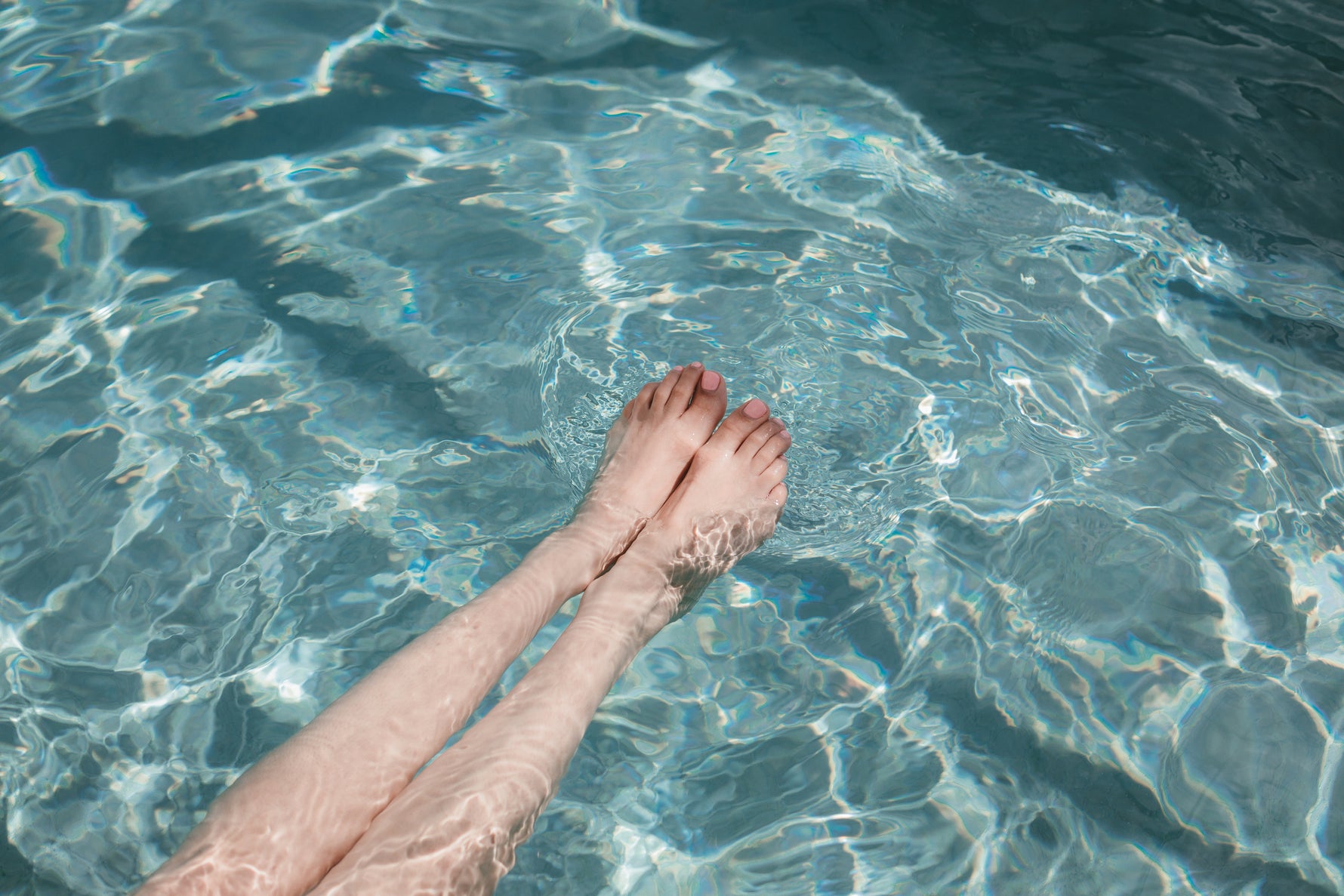

Experience Hot Jacuzzi Benefits: Sleep Better, Reduce Stress
A hot jacuzzi can do far more than feel nice at the end of a long day. Used well, it can help you relax, ease tension, support circulation, reduce everyday aches, and make recovery feel easier. The catch is simple: you only get those benefits consistently when the water stays clean, balanced, and comfortable to soak in.
That matters in Canada more than many people realise. There are over 200,000 hot tubs installed in Canada, concentrated largely in Ontario, British Columbia, and Alberta, and winter conditions make hydrotherapy especially relevant for stiffness and recovery. The same Canadian context also creates a maintenance challenge, because 30% of service calls stem from scale buildup in hard water regions like Calgary according to the cited gap analysis and supporting reference to hot water immersion research coverage. In other words, the wellness side and the water-care side are connected.
Introduction Your Guide to Total Jacuzzi Wellness
If you're standing outside on a cold evening, shoulders tight, mind still racing from work, a hot jacuzzi can feel like a luxury. In practice, it's often closer to a wellness tool. Heat, buoyancy, and moving water work together to help the body unwind, and many owners end up using their tub not just for comfort, but for sleep, recovery, and everyday stress management.

For Canadian owners, this is especially useful in winter. Cold weather tends to make muscles feel tighter, outdoor activity drops off, and hard water can turn a simple soak into a maintenance headache if you ignore it. That's why the best way to think about hot jacuzzi benefits is in three practical layers: mental reset, physical relief, and sustainable routine.
What a hot jacuzzi actually does
A hot jacuzzi combines warm water, body support from buoyancy, and jet-driven hydrotherapy. Each part matters.
- Heat relaxes tissues: Warm water helps the body let go of surface tension and feel less guarded.
- Buoyancy unloads pressure: Your joints and spine don't carry body weight the same way they do on land.
- Jets add targeted massage: Water movement can focus relief on the neck, back, hips, or legs.
That combination is why owners often report that a soak feels different from a hot bath. The body isn't just warmed. It's supported and gently stimulated at the same time.
Why routine matters more than occasional use
The biggest misunderstanding is thinking a jacuzzi only helps in dramatic moments, such as after a brutal workout or a terrible week. In reality, the best results usually come from regular use. A short evening soak can become a cue for your body to slow down. A post-activity session can help you feel looser the next day. A quiet morning dip can take the edge off stiffness before the day starts.
Practical rule: A hot tub works best as part of a rhythm, not as a rescue plan.
If you want a broader look at how hot water immersion supports exercise and recovery, TubTabs has a useful read on how hot tub sessions can rival jogging in key health benefits.
Unwind and De-Stress with Hydrotherapy
Stress relief is one of the most immediate hot jacuzzi benefits because the body usually responds before the mind catches up. You step into warm water, your breathing slows, your shoulders drop, and your attention shifts away from screens, errands, and noise. That isn't magic. It's a physical change creating a mental one.
Why warm water feels calming so quickly
When people are tense, they often don't notice how much muscle guarding they're carrying. Jaw clenched. Upper back tight. Hands half-curled. Warm water interrupts that pattern. The body doesn't have to hold itself up in the same way, and that softer physical state often tells the nervous system that it can stop bracing.
Think of it this way. On land, your body is managing gravity, posture, and pressure points. In a jacuzzi, those demands drop. That makes it easier to breathe more slowly and sit still without effort.
Better sleep often starts before bedtime
Many owners use their tub in the evening because the transition out of the water can help create a wind-down routine. The soak itself encourages relaxation. Then, as you dry off and cool down, your body often feels more ready for rest.
A few simple habits make that more effective:
- Keep the soak calm: Skip loud music and constant phone checking if your goal is sleep.
- Finish with enough buffer time: Give yourself time to cool down, hydrate, and move into a quieter evening pace.
- Use the same routine regularly: Your body responds well to repeated cues.
A pre-bed soak works best when it feels like part of your night, not another activity squeezed into it.
Small changes that improve the experience
New owners often overcomplicate relaxation. They assume they need the perfect essential oil, the perfect weather, or a full hour blocked off. Usually, they need less than that.
A more useful approach is to remove friction:
| Common mistake | Better approach |
|---|---|
| Waiting for a “perfect” free evening | Use shorter, regular soaks |
| Bringing work into the tub | Leave your phone inside |
| Running every jet at full blast | Start gentler and adjust |
| Staying in too long | Get out while you still feel refreshed |
Stress relief also depends on how the water feels on your skin and eyes. If the chemistry is off, the soak stops being restorative and starts becoming irritating. That's one reason many owners start paying closer attention to maintenance after the honeymoon phase of ownership. For a deeper look at the mechanism behind relaxation in hot water, TubTabs offers a helpful explainer on the science behind hot tub stress relief.
Boost Your Health with Improved Circulation
Step into a hot tub on a cold evening and one of the first changes you notice is not just comfort. Your hands stop feeling tight, your feet warm up, and your whole body starts to feel less constricted. That shift is tied to circulation.
Warm water helps blood vessels relax and widen. The technical term is vasodilation. In practical terms, it means blood can move with less resistance, which helps deliver oxygen and nutrients to working tissues more efficiently. For many new owners, that is the hidden value of a soak. You feel calmer, but your body is also getting a gentle cardiovascular nudge at the same time.
What improved circulation means in plain language
A hot tub works a bit like a low-impact warm-up for your circulatory system. Heat encourages blood flow near the skin and through the muscles, while the water supports your body so the heart and joints are not dealing with the same demands as land-based activity.
That is one reason a soak can feel especially good after sitting for hours, spending time in winter weather, or waking up stiff. Better circulation often shows up as small, noticeable changes. Less heaviness in the legs. Easier movement in the hands. A more even sense of warmth from head to toe.
People sometimes assume hotter water always creates a stronger benefit. It does not. The goal is to create a stable, comfortable environment your body can respond to consistently. If you are unsure where that range usually falls, TubTabs explains what your hot tub temperature should be for different wellness goals.
Why this can matter more in winter
Cold weather causes blood vessels near the surface of the skin to narrow. That response helps conserve heat, but it can also leave you feeling stiff and chilled. Warm water reverses part of that pattern by encouraging vessels to open back up.
In Canadian winters, where average temperatures can drop to -10°C to -20°C, hot tub hydrotherapy at 38 to 40°C can support circulation and cardiovascular comfort. Warm water immersion can raise heart rate to a level similar to moderate exercise and reduce systolic blood pressure by 10 to 15 mmHg after a 20 to 30 minute session, as noted in Jacuzzi’s hot tub guide.
A hot tub does not replace exercise, prescribed treatment, or advice from your clinician. It can still be a practical support tool, especially during seasons when people move less and tend to hold more tension in the body.
How to get this benefit consistently
Circulation benefits depend on repeatable, comfortable use. That is where many owners run into an avoidable problem. If the water chemistry is irritating, the soak gets cut short. If the water is cloudy or harsh, people use the tub less often. The body benefits from regular sessions, and regular sessions depend on water that feels clean and easy to trust.
A few habits help:
- Use a temperature you can stay in comfortably: Overheating shortens the session and makes consistency harder.
- Give your body time to adjust: A brief dip may feel good, but a longer settled soak usually gives circulation more time to respond.
- Hydrate before and after: Warm water shifts how your body handles heat, and dehydration can make you feel light-headed.
- Keep water care simple enough to maintain: Clean, balanced water protects the experience that makes regular use possible.
Expert note: The best circulation routine is the one you will actually repeat. Easy maintenance matters because comfortable, well-balanced water makes it far more likely that your hot tub becomes a steady wellness habit rather than an occasional one.
Soothe Aches with Targeted Pain Relief
A hot tub often proves its value in one stubborn spot at a time. A tight lower back after yard work. Knees that complain on cold mornings. Calves that feel heavy after a long run. That local relief is one reason hydrotherapy becomes part of a real care routine instead of an occasional indulgence.

Why buoyancy changes pain so much
Pain tends to rise when joints are loaded and muscles stay on guard. Warm water changes both conditions at once. It supports part of your body weight, which reduces pressure on sensitive areas, and the heat helps tight tissue let go.
For people with arthritis or stiffness, that combination can make movement feel less threatening. In water at 37 to 39°C, buoyancy can provide up to 95% body weight support, reducing compressive force on knees and hips. The same source reports that hot tub heat and buoyancy may reduce arthritis-related joint stiffness by 30 to 50%, and a 2025 University of Oregon study found hot water immersion lowered CRP by 15 to 25% in arthritic subjects, as summarised in Master Spas’ hot tub benefits article.
A simple way to understand it is this. On land, sore joints and tense muscles keep absorbing load with every small adjustment. In warm water, some of that load is taken off the frame, like loosening a backpack strap that has been digging into your shoulders all day.
For athletes and active people
This benefit is not limited to chronic pain. Recreational skiers, runners, lifters, tradespeople, and anyone who spends hours on their feet often use a hot tub to calm the after-effects of effort.
Three forces are working together:
- Heat relaxes tight muscle tissue
- Buoyancy reduces joint loading
- Jets apply steady pressure to overworked areas
That mix can help when your body feels both sore and guarded, which is common after hard training sessions or repetitive movement. If recovery is one of your goals, this guide to hot tubs for injury recovery explains how many owners build hydrotherapy into a broader healing plan.
For chronic discomfort and everyday wear
Many people sit down in the tub and stop there. That can feel good, but gentle motion often works better than complete stillness. Once the body warms up, slow movement helps stiff joints use the support the water is already giving them.
Try a simple pattern:
- Settle in first: Give your body a few minutes to relax into the heat.
- Add controlled movement: Roll your shoulders, bend and straighten the knees, or circle the ankles slowly.
- Match the jet to the sore area: Place your lower back, hip, or calf in front of a jet and stay there long enough to feel the tissue soften.
Small adjustments matter.
A clean, balanced tub matters too. Sensitive skin, eye irritation, or harsh-feeling water can shorten a soak before muscles have time to release. For new owners especially, easier water care supports more consistent use, and consistent use is what turns a hot tub from a nice feature into a dependable pain-relief tool. That is one reason simple maintenance systems such as TubTabs help support the health benefits people want to feel.
Maximizing Your Hot Jacuzzi Benefits Safely
A hot tub should leave you calm, clear-headed, and physically better than when you stepped in. If a soak ends with lightheadedness, fatigue, or irritated skin, the problem is usually not hydrotherapy itself. It is the setup, the timing, or the water condition.

Start with comfort, not maximum heat
New owners often assume hotter water means stronger results. In practice, your body responds best when the heat is warm enough to relax muscles without pushing your system into stress. A soak should feel like a steady exhale, not a test of tolerance.
Different goals can call for slightly different settings. A general evening soak may feel best at a moderate temperature, while post-workout recovery may call for water that feels a bit warmer. The useful guideline is simple. Choose a setting you can enjoy without feeling flushed, heavy, or drained.
As noted earlier, temperature matters. Your best setting is the one that helps you stay relaxed long enough to benefit, then step out still feeling refreshed.
Build sessions your body can repeat
Consistency matters more than heroic sessions. A moderate soak you can enjoy several times a week will usually serve you better than occasional long soaks that leave you depleted.
Use a simple routine:
- Drink water before you get in: Heat increases fluid loss faster than many people expect.
- Keep sessions moderate: Many adults do better with shorter, repeatable soaks than extended ones.
- Stand up slowly: Warm water can make the shift to standing feel abrupt, especially if you are tired.
- Skip alcohol: It can increase dehydration and reduce judgment.
- Watch children closely: Smaller bodies heat up faster and need stricter limits.
That pattern works like pacing on a walk. If you stop before exhaustion, you are more likely to go again tomorrow.
Pay attention to the signals your body gives
Your body usually gives notice before a soak becomes too much. Dizziness, headache, unusual fatigue, nausea, or a pounding heartbeat are signs to get out, cool down, and rehydrate. Sensitive users may notice subtler cues first, such as facial flushing or a sense of heaviness.
Water quality plays a role here too. Poorly balanced water can turn a helpful routine into an irritating one, especially for people with sensitive skin or eyes. That is why many owners get better long-term results when they pair safe soaking habits with a simple hot tub water care routine they can maintain.
Know when extra caution makes sense
A hot tub is a useful wellness tool, but it should fit your health situation. If you are pregnant, have a heart or blood pressure condition, take medication that affects heat tolerance, or have a history of dizziness, ask your physician how to use the tub safely.
Here is a quick reference:
| Situation | Why it matters |
|---|---|
| Pregnancy | Heat exposure may need stricter limits |
| Heart conditions | Heat can change heart rate and circulation |
| Dizziness or low blood pressure | Standing after soaking may feel unstable |
| Certain medications | Some affect hydration, alertness, or heat response |
Safe use is what makes the benefits repeatable. And repeatable use is much easier when the water feels clean, gentle, and easy to care for instead of becoming another household chore.
Effortless Water Care for a Healthier Soak
A hot tub can only support wellness if the water itself supports wellness. Clear-looking water isn't enough. If the balance is off, you can end up with irritated skin, sore eyes, odour, foam, or buildup that makes the whole experience feel less inviting.
Why poor water care cancels out the benefits
Many new owners often misunderstand this point. They think maintenance is separate from health benefits. It isn't. Water quality shapes whether your soak feels soothing or harsh.
For the 40% of Canadians with sensitive skin, improper chemicals can negate hydrotherapy benefits. The verified data also states that aloe-infused, pH-balanced systems like TubTabs reduce skin and eye irritation by 70% versus traditional chlorine, while also helping prevent biofilm buildup and odour.
That point matters because irritated skin changes behaviour. People shorten sessions, avoid the tub, or stop using it consistently. Once that happens, the relaxation and recovery benefits drop with it.
What good maintenance should feel like
You shouldn't need a complicated shelf of products and a chemistry guessing game every week. Good maintenance should create water that feels comfortable, smells clean rather than aggressive, and doesn't leave residue, foam, or scale behind.
Look for these signs of healthy water care:
- Comfort on skin and eyes: The water should feel easy to stay in.
- Stable clarity: Not just visually clear, but consistently clean-feeling.
- Low hassle: A routine you can keep up with.
- Equipment protection: Less scale and less stress on components over time.
Clean water isn't a cosmetic detail. It's part of the therapy.
Common mistakes new owners make
A lot of owners bounce between under-treating and over-correcting. They wait too long, then add too many products at once. That often creates more instability, not less.
A better approach is simple, repeatable care:
- Test regularly
- Make small adjustments
- Stay consistent week to week
- Choose products designed to reduce complexity
If you want a straightforward breakdown of routines and problem prevention, TubTabs has a practical guide to hot tub water care.
Frequently Asked Questions About Hot Jacuzzi Benefits
Is a hot jacuzzi good for stress every day?
It can be, as long as your sessions are comfortable, moderate, and safe for your health situation. Daily use works best when you keep it routine rather than extreme. Many people benefit more from regular shorter soaks than occasional very long ones.
Can a hot jacuzzi help with sore muscles after exercise?
Yes. Heat, buoyancy, and jets can make post-activity soreness feel easier to manage. Many active people use a soak after training or sport because warm water helps muscles relax and can support recovery.
Are hot jacuzzi benefits the same as a hot bath?
Not quite. A bath gives you heat, but a jacuzzi adds buoyancy and hydrotherapy jets, which change how your joints, muscles, and circulation respond. That's why many people find a hot tub more effective for stiffness and targeted relief.
How long should you stay in a hot jacuzzi?
The safest answer is: long enough to feel better, not so long that you feel depleted. Shorter sessions are often plenty, especially at higher temperatures. If you feel overheated, light-headed, or tired rather than restored, end the soak sooner next time.
Can hot tubs help arthritis discomfort?
They may. The verified data cited earlier shows meaningful improvement in joint stiffness for arthritis when heat and buoyancy are used appropriately. People often find warm water makes gentle movement easier and less painful.
Is clear water always safe water?
No. Water can look clear and still be poorly balanced or irritating. That's why regular testing and consistent treatment matter. Comfort, sanitation, and balance all count.
Is Jacuzzi just another word for hot tub?
Not exactly. Jacuzzi is a brand name, but many people use it casually to describe any hot tub. In everyday conversation, people often mean the same type of product: a heated spa with jets.
If you want the wellness side of hot tub ownership without turning water care into a part-time job, TubTabs is worth a look. Its all-in-one weekly tablet system is designed to simplify routine maintenance, support cleaner and more comfortable water, and help you spend more time enjoying your hot jacuzzi benefits instead of troubleshooting foam, odour, or scale.
Share