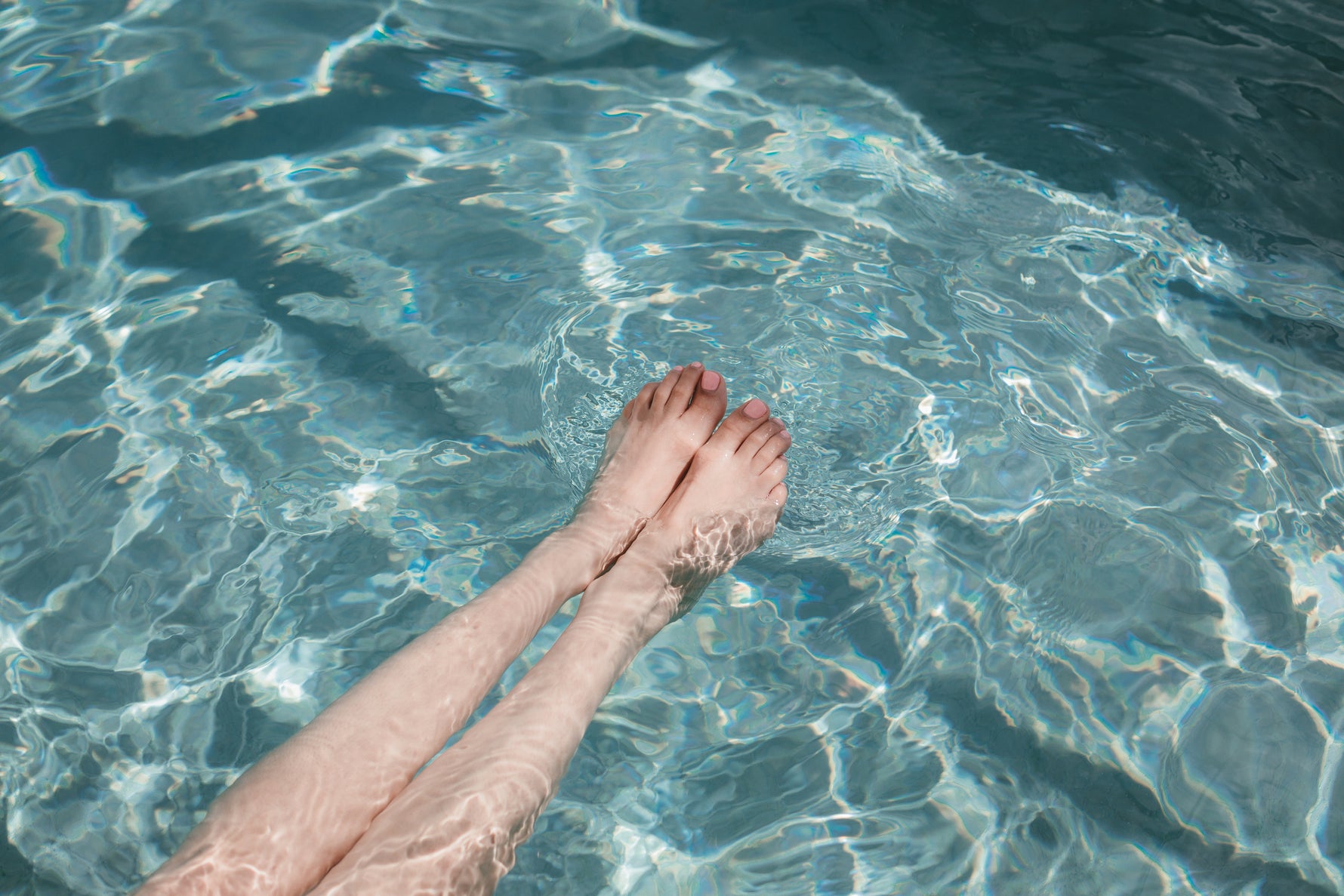

Health Benefits of a Hot Tub: 2026 Science
A hot tub can do far more than help you unwind. Regular soaking is linked with meaningful cardiovascular, sleep, pain, and metabolic benefits, including evidence that daily hot water exposure can reduce the risk of cardiovascular disease by 28% and stroke by 26% when used within specific temperature ranges, according to research summarised here. The part many new owners miss is this: those benefits are easiest to achieve when your water is clean, balanced, and comfortable on your skin.
That's the surprising part. People often think the health benefits of a hot tub come only from heat. In practice, the experience depends on two things working together: the hydrotherapy itself and the water quality that makes regular use safe and pleasant. If the water leaves your skin itchy, your eyes irritated, or your maintenance routine feeling like a chemistry exam, you're less likely to use the tub often enough to get the full benefit.
More Than Relaxation The Proven Health Benefits of Hot Tubs
Yes, the health benefits of a hot tub are real, and they go well beyond a pleasant soak. The strongest evidence points to improvements in circulation, cardiovascular health, blood pressure regulation, muscle comfort, sleep quality, stress relief, and blood sugar management when hot tubs are used consistently and safely.
What's happening is often called passive heat therapy. Your body responds to warm water in ways that overlap with some of the effects people seek from light exercise and recovery routines. Blood vessels widen, muscles loosen, the body becomes more buoyant, and the nervous system shifts away from that wound-up, always-on feeling many people carry through the day.
New owners often get confused by the gap between marketing language and practical reality. “Relaxation” is easy to promise. Achievable health benefits come from a few simple habits:
- Use it consistently: Most benefits build with routine, not occasional novelty soaks.
- Keep the session safe: Temperature and time matter as much as enthusiasm.
- Treat water quality as part of wellness: If the water feels harsh, many people stop using the tub regularly.
- Match the soak to the goal: A post-work soak for tight muscles is different from a pre-bed soak for sleep.
Bottom line: A hot tub can function as a genuine wellness tool, but only when you use it often enough, safely enough, and in water your body tolerates well.
How Soaking Boosts Cardiovascular and Circulatory Health
A hot tub can do more for circulation than many new owners expect. Used sensibly, warm water creates a whole-body heat response that helps blood vessels relax and blood move with less resistance. That matters for people who want a gentler wellness habit, especially on days when a hard workout is not realistic.
The easiest way to understand it is to look at what your body has to manage on land. Gravity constantly pulls blood downward, so the heart and blood vessels have to keep pushing it back through the system. In warm water, two things change at once. Heat encourages vessels to widen, and immersion shifts blood toward the chest more easily than standing on dry ground.

What the body is doing in warm water
Two forces drive much of the circulatory effect:
| Mechanism | What it does | Why it matters |
|---|---|---|
| Heat absorption | Raises body temperature | Encourages blood vessel dilation and easier circulation |
| Buoyancy | Supports body weight in water | Changes pressure on the body and reduces some of the effort associated with being upright |
A cautious owner might ask, “Is this just relaxation, or is something measurable happening?” Something measurable is happening. Researchers have studied hot water immersion as a form of passive heat therapy because it can raise heart rate and increase blood flow without impact on the joints. If you want a practical comparison, this TubTabs article on how hot tub soaking can rival jogging in three health markers explains why passive heat sometimes gets compared with light to moderate aerobic activity.
That comparison can be misunderstood, so it helps to be precise. Soaking does not replace exercise. It works more like a low-friction circulatory training session. Your cardiovascular system still responds to heat, but without the pounding, balance demands, or joint load that come with many forms of movement.
Why regular use matters more than marathon sessions
One long soak does not train the body nearly as well as steady, moderate use. Cardiovascular benefits build from repetition. The body gets repeated exposure to warmth, repeated vessel relaxation, and repeated practice moving blood under easier conditions.
The sequence is simple:
- You enter warm water
- Your blood vessels widen
- Blood flow becomes easier
- Your heart responds to the change in circulation
- Over time, regular use supports healthier circulatory function
That is one reason people often step out of the tub feeling looser and lighter, not just calmer. Better circulation can feel subtle. Warmer hands and feet, less of that heavy end-of-day feeling in the legs, and an easier transition from tension to rest are common examples.
Where new owners often get it wrong
A hot tub only helps if you can use it consistently and comfortably. Harsh water gets in the way fast. If the water irritates your skin, dries your eyes, or leaves you dreading the next soak, you are much less likely to keep the routine that supports circulatory benefits in the first place.
A few other mistakes are common:
- Staying in too long: More time does not always mean more benefit, especially if you feel lightheaded or overheated.
- Setting the temperature too high: Very hot water can feel soothing at first, then become draining.
- Skipping hydration: Warm water increases sweating, even when you do not notice it right away.
- Treating maintenance as separate from wellness: Clean, balanced water is part of the health equation, not a side chore.
That last point gets overlooked in many guides. The advertised benefits of hydrotherapy assume the water is safe, comfortable, and easy on the skin. In real life, that is what makes regular use possible. Gentle, well-maintained water supports the habit. The habit supports the benefit.
Warm water supports circulation best when the experience stays comfortable enough to repeat several times a week. Safe temperature, reasonable session length, and skin-friendly water matter as much as the soak itself.
Find Relief for Aches Pains and Sleepless Nights
One of the fastest benefits people notice is simple physical relief. You step into the water stiff, sore, or mentally overcooked. You step out feeling looser. That change isn't imaginary. It comes from the combination of heat, immersion, and buoyancy working at the same time.

Why immersion helps sore muscles and joints
Heat increases blood flow to tight muscles and stiff areas. That can make movement feel easier, especially after a long workday, yard work, exercise, or hours spent sitting. At the same time, the water supports your body weight, so your joints aren't handling the same load they do on land.
That's particularly useful if you deal with:
- General muscle soreness: The kind that shows up after workouts, lifting, or repetitive tasks
- Stiff joints: Common in the morning or after long periods at a desk
- Back and neck tension: Often linked to posture, stress, and screen-heavy routines
- Recovery fatigue: When the body feels heavy rather than sharply painful
A shower can warm the body, but it can't create the same full-body support. That difference matters. A 2021 comparative study summarised here found that routine immersion bathing provides significantly greater mental and physical health benefits than routine shower bathing without immersion, specifically relieving musculoskeletal pain and improving sleep quality to help treat insomnia by allowing longer sleep duration.
The sleep benefit many owners discover by accident
A lot of people buy a hot tub for relaxation and then realise their sleep improves. The likely reason is the body's cool-down pattern after the soak. Warm water raises body temperature. When you get out, dry off, and settle down, the body begins to cool, and that drop can act like a signal that it's time to sleep.
That's why timing matters. If your goal is better rest, a soak later in the evening often works better than one early in the afternoon.
A practical evening routine might look like this:
- Keep it calm: Low lights, no alcohol, and no intense phone scrolling in the tub
- Soak briefly: Enough to relax the body without overheating
- Exit slowly: Let your system adjust before stepping into cool air
- Go to bed soon after: Don't lose the sleepy window with more stimulation
The best sleep soaks are quiet and boring. That's a compliment.
Real-world examples of when a soak helps most
People often ask when a hot tub is most useful for pain. The answer depends on the type of discomfort.
| Situation | What a soak may help with |
|---|---|
| After exercise | Muscle tightness and general soreness |
| After desk work | Neck, shoulder, hip, and low-back stiffness |
| Before bed | Physical tension that keeps you from settling |
| On cold days | Full-body stiffness and reduced ease of movement |
If recovery is your main goal, this TubTabs guide to hot tub muscle recovery offers practical ideas for timing and routine.
One caution matters here. Relief doesn't always mean treatment. A hot tub can help you feel and move better, but persistent pain, sharp pain, swelling, or symptoms that worsen need proper medical attention.
The Mental and Metabolic Advantages of Your Hot Tub
People often talk about hot tubs as stress relievers, but there's more substance behind that than many assume. A soak changes your environment in several useful ways at once. You're warm, physically supported, removed from noise, and less likely to multitask. That combination helps many people shift out of a tense, hyper-alert state and into a calmer one.
The mental value isn't just “relaxation” in the vague sense. It's often the first reliable pause in the day. For busy homeowners, parents, and people who carry stress in their muscles, that pause can improve mood, patience, and sleep readiness.
How hot water supports stress relief
Hot water immersion tends to work best when the setting helps your nervous system settle too. The body responds to warmth, but the mind also responds to routine. If you use your hot tub the same way every evening, your brain starts to associate it with decompression.
A useful stress-relief soak is usually simple:
- Choose a repeatable time: After dinner or before bed often works well
- Keep the session quiet: Conversation is fine, but avoid turning it into a stimulating social event every night
- Breathe slowly: You don't need a full meditation routine. A few slower breaths helps
- Leave room to wind down after: Don't jump straight into emails or chores
If stress relief is your main goal, this TubTabs article on the science behind hot tub stress relief gives a useful overview of why soaking can feel so restorative.
A lesser-known benefit for blood sugar management
One of the more surprising health benefits of a hot tub is metabolic support. Passive heat therapy can trigger some of the same broad physiological responses associated with light exercise, such as increased blood flow and a more active metabolic state.
The clearest number available here is specific. Research cited in this lifestyle outdoor health comparison reports that bathing in a hot tub for half an hour, six days a week, can reduce blood sugar levels in people with type 2 diabetes by more than 10% after one month. That same source notes that temperatures should stay below 104°F (40°C) and soaks should be limited to 15 to 30 minutes for safety.
That may sound confusing at first. How can one source mention half an hour while general safety guidance often leans shorter? The answer is that research protocols and everyday home use aren't identical. In real life, safety comes first. If you have diabetes or another chronic condition, it makes sense to ask your physician how to adapt any hot tub routine to your medical situation rather than copying a study pattern on your own.
Practical use for metabolic support
If you're interested in blood sugar management, use a hot tub as a support, not a substitute.
- Don't replace care plans: Medication, food choices, exercise, and physician guidance still matter
- Prioritise consistency over intensity: A regular routine is more realistic than occasional long sessions
- Watch how you feel: Light-headedness, fatigue, and overheating are signs to stop
- Hydrate before and after: Heat exposure increases fluid loss
A hot tub can be one helpful input in a broader health routine. It shouldn't carry the whole plan by itself.
Hot Tub Safety and Best Practices for Maximum Benefit
A hot tub helps your body only when the heat stays in a range your body can handle. Go past that range, and a session meant to calm your muscles can leave you dizzy, dehydrated, or wiped out instead. Safe soaking is what keeps hydrotherapy useful enough to repeat.

The two numbers that matter most
For everyday home use, keep your attention on two limits:
| Safety factor | Recommendation |
|---|---|
| Water temperature | Keep it below 104°F (40°C) |
| Soak duration | Cap sessions at 15 minutes or fewer |
Those numbers matter because heat builds over time. The first few minutes can feel mild, then your heart starts working harder to shed heat, your blood vessels widen, and fluid loss creeps up. A soak that feels pleasant at minute five can feel very different by minute fifteen.
If you are new to hot tubs, start even gentler. Many owners do better with a slightly lower temperature and a shorter session while they learn how their body responds.
Winter use changes the equation
Outdoor soaking in cold weather adds a second stressor. Your body is not only handling hot water. It is also handling the fast shift from high heat to cold air.
A 2025 ScienceDaily release that discussed hot-water immersion noted that while hot-water immersion may support immune activity and lower blood pressure, rapid temperature shifts can be risky for people with cardiovascular vulnerability. That point is easy to miss in generic wellness advice, especially if your tub sits outside in freezing conditions.
A simple comparison helps here. Warm water opens blood vessels like widening a road. Standing up quickly, then stepping into cold air, changes traffic conditions fast. For some people, that sudden change can bring on light-headedness or place extra strain on the cardiovascular system.
Use a few practical habits to lower that risk:
- Keep winter sessions shorter
- Stand up slowly before exiting
- Place a dry towel or robe within reach
- Cover your head and feet soon after getting out
- Walk indoors without lingering in the cold
In winter, the path from the tub to the house is part of the soak.
Who should be more cautious
Some people should check with a healthcare professional before making hot tub use a routine habit. That includes people who are pregnant, anyone with a heart condition, people prone to fainting or low blood pressure, and those with health issues that affect temperature regulation.
Alcohol deserves special caution too. It can dull the warning signs of overheating and add to dehydration at the same time. That combination makes it easier to stay in too long without noticing your body is under strain.
Children need close supervision as well. Their bodies heat up faster than an adult's, so limits that feel manageable for you may not be appropriate for them.
A simple routine that protects the benefit
The safest hot tub habits are also the easiest to repeat:
- Drink water before you soak
- Shower before entering
- Set a timer so relaxation does not turn into overexposure
- Step out if you feel light-headed, flushed, or unusually tired
- Cool down gradually instead of rushing into cold air
- Skip alcohol before and during use
- Supervise children closely
One more point often gets overlooked. Comfort depends on water condition as much as temperature. If the water is harsh, heavily scented, or irritating to your skin, you are less likely to soak consistently and more likely to cut sessions short for the wrong reason. Good safety habits and gentler water care work together.
If you want a practical refresher, this hot tub safety rules everyone should follow guide gives a clear owner-focused checklist.
Why Clean Water Unlocks the True Health Benefits
This is the part most “benefits of hot tubs” articles skip. A hot tub isn't automatically healthy because it's warm. The actual health benefits of a hot tub depend on water quality. If the water is poorly maintained, the same tub that could help with sleep, soreness, and stress can instead irritate skin, bother eyes, or expose you to unwanted contaminants.
That matters because consistency is what makes hydrotherapy useful. If your water feels harsh, smells overly chemical, or leaves you itchy, you won't use the tub often enough to get the benefit. Wellness isn't just about heating water. It's about creating water you can comfortably soak in again and again.

The hidden problem of harsh maintenance
Many new owners assume that if they can smell chemicals, the water must be clean. That isn't a reliable test. Water can be overtreated, undertreated, or unbalanced in a way that sanitises poorly while still feeling aggressive on the skin.
For sensitive users, this is especially important. Canadian Home Leisure's discussion of hot tub benefits notes that a 2024 Canadian Dermatology Association report indicates over 30% of Canadian adults experience water- or chemical-related skin irritation. That doesn't mean every hot tub owner will develop irritation. It does mean a large share of adults are likely to notice when maintenance chemistry feels too harsh.
What poor water quality can interfere with
The health benefits people want from soaking are mostly restorative. Dirty or badly balanced water pushes in the opposite direction.
- Skin comfort: Instead of leaving the tub feeling soothed, you may come out dry, itchy, or irritated
- Breathing comfort: Strong chemical odours and contaminants can make the spa area unpleasant
- Routine use: If maintenance feels difficult, owners often delay care and use the tub less
- Trust in the tub: Once water feels “off,” many owners stop relaxing in it, even if the temperature is perfect
That last point is underrated. A hot tub only helps if you want to get in.
Clean water is part of the therapy
Think of hot tub care as part of the hydrotherapy system, not a separate chore. Heat and buoyancy provide the mechanism. Clean, balanced water makes the experience usable.
Here's a simple comparison:
| Water condition | Likely experience |
|---|---|
| Balanced and clean | Comfortable soaking, regular use, easier recovery routine |
| Harsh or dirty | Skin complaints, hesitation to use, more maintenance frustration |
Many owners often get stuck with traditional multi-step chemical routines. They juggle several products, test inconsistently, react after the water already feels wrong, and end up oscillating between too much and too little. The result isn't just inconvenience. It can directly affect how often the hot tub delivers any therapeutic value.
Common maintenance mistakes that reduce the benefit
Some of the most common errors are behavioural, not technical:
- Waiting until the water looks cloudy: Problems usually start before the water visibly changes
- Adding products reactively: Guesswork tends to create unstable water conditions
- Skipping weekly care during busy periods: The tub doesn't pause because your calendar is full
- Treating skin irritation as normal: It isn't something you should accept
A simpler, gentler maintenance routine often makes the difference between “we should use the hot tub more” and “we use it all the time.” That's especially true for households with children, sensitive skin, guests, or cottage turnover where ease matters.
The cleanest-looking water isn't always the most comfortable water. The goal is water that is both sanitised and pleasant to soak in.
What new owners should look for in a maintenance approach
You don't need to become a spa chemist. You do need a system that keeps water balanced with less room for error.
Look for a routine that supports:
- Consistent weekly care
- Simple dosing
- Comfort for skin and eyes
- Low odour
- Protection against buildup and foam
- Less clutter around the tub
If you're still learning how to judge whether your water is balanced, this TubTabs guide to hot tub water testing explains the basics in a clear owner-friendly way.
The broader point is simple. Clean water doesn't just protect the tub. It protects the experience. And the experience is what allows the health benefits of a hot tub to become part of your real life instead of remaining a nice idea.
Frequently Asked Questions About Hot Tub Health
Is using a hot tub every day healthy?
Daily soaking can be a healthy routine for some adults if sessions stay moderate, the temperature stays in a safe range, and a clinician has not told you to avoid heat exposure.
Consistency matters less than control. A short, comfortable soak in clean, balanced water is usually more helpful than long sessions in overheated or irritating water. If daily use leaves you light-headed, unusually tired, itchy, or dried out, your body or your water care routine is telling you to adjust something.
Can a hot tub help with weight loss?
A hot tub can support habits that make weight management easier, such as better sleep, less soreness, and lower stress. It does not replace exercise, food choices, or overall activity.
Warm water works more like a recovery tool than a calorie-burning strategy. If soaking helps you sleep better and move more comfortably the next day, it may support your bigger health plan in an indirect but useful way.
How long should I stay in a hot tub for health benefits?
For home use, keep the water at or below 104°F (40°C) and keep most soaks to about 15 minutes or less. More time does not automatically mean more benefit.
Heat affects the body the way a warm room affects a laptop. A little warmth can help it run comfortably, but too much heat for too long creates stress. Step out sooner if you feel dizzy, flushed, thirsty, or mentally foggy.
Can I use a hot tub if I have a cold?
Sometimes, but it depends on the kind of sick you are. Mild congestion may feel better in warm water. A fever, dehydration, weakness, or body aches strong enough to leave you drained are good reasons to skip the soak.
The question is not only whether the water feels good. It is whether your body has enough reserve to handle heat safely.
Are hot tubs good for arthritis or stiff joints?
They can be very helpful for comfort and gentle movement. Warm water increases flexibility, and buoyancy reduces the load on joints, which is why simple motions often feel easier in a tub than on land.
That does not mean a hot tub treats the underlying joint condition. It means it can create a short window where the body feels looser and less guarded. For many owners, that makes stretching, range-of-motion work, or winding down before bed more manageable.
Why does my skin feel irritated after a soak?
Skin irritation usually points to one of three things. Water that is out of balance, sanitizer byproducts or residue, or soaking too long and drying the skin out.
This question gets overlooked in many hot tub guides, but it matters. The advertised health benefits only become realistic when the water is clean enough to be safe and gentle enough to use regularly. If your skin stings, itches, smells strongly of chemicals, or feels tight afterward, do not assume that is part of the hot tub experience. Review your maintenance routine.
Is a shower as good as a hot tub for recovery?
A hot shower can feel soothing, but immersion changes the experience. In a tub, heat surrounds more of the body at once, and the water supports your weight, which can make muscles and joints relax more fully.
A shower rinses and warms. A soak creates sustained whole-body heat and buoyancy. For soreness, stiffness, and bedtime relaxation, that difference is often noticeable.
If you want the health benefits of a hot tub without the usual maintenance hassle, TubTabs is worth a look. Its all-in-one weekly tablet system is designed to keep water balanced, clear, and gentler on skin with far less effort than managing a shelf full of separate chemicals. For new owners, busy households, and anyone who wants hydrotherapy to feel simple enough to use consistently, that kind of routine can make a real difference.
Share